
All things Tiramisù
A lesson from Tuscan Cookery Teacher Cristina Sbaragli


Hello and welcome back to Bake Experiments. And a warm hello to new subscribers. I’m so excited to be talking baking, recipes and a bit of food history and folklore with you all.
Bake Experiments is running fortnightly over the British summer holidays. Weekly service will resume from September.
As ever, if you like what you read, and I hope you do, I’d be thrilled if you tap that heart, share or subscribe.
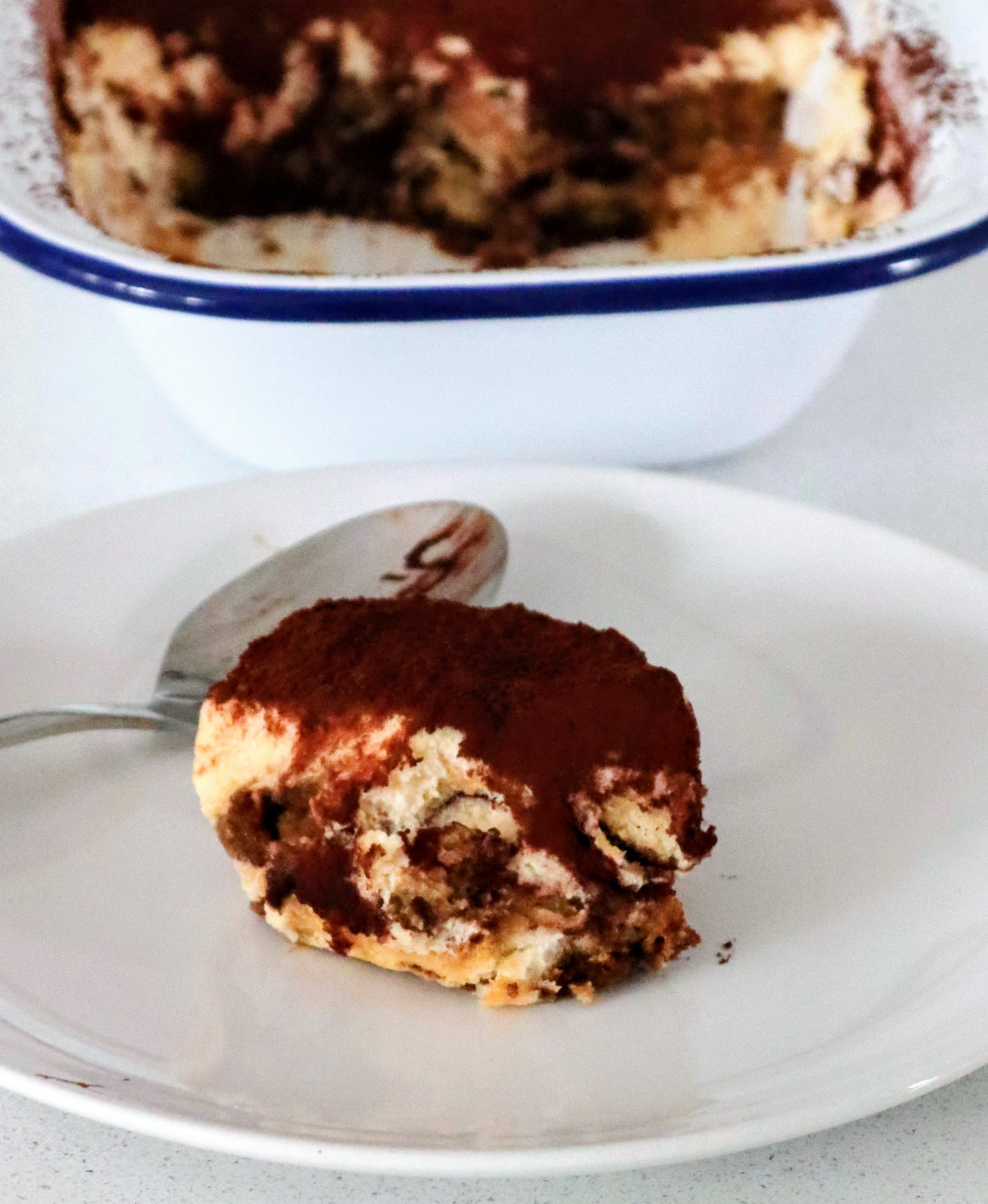
A confession to start. Until recently, I wasn't that fussed by tiramisù.
Until I visited Padella in London, which boasts a simple menu of just eight seasonal pasta dishes, made with traditional Italian techniques.
To finish, my lovely friend and fellow diner ordered the tiramisù. She assured me it was a good one, and suggested I try a taste. I was in surprised raptures. It was light, fluffy and punchy with coffee.
In that moment I realised all the tiramisù I’d tried previously was… well, a bit rubbish. Full of flavourless whip cream, so much cocoa powder you cough on the dust, and probably - horror of horrors - made with instant coffee. (Every Italian winced there, didn’t they?)
Since then I’ve endeavoured to make a tiramisù like that at home. And when you want to learn to make an iconic Italian dessert, it's best to go to an Italian.
Enter Tuscan cookery teacher Cristina Sbaragli.
If you haven't met Cristina, she is writer of beautiful Italian stack Christine, My Tuscany Roots, where she shares her traditional Tuscan recipes and memories.
Growing up in Tuscan village Montecerboli, Cristina learned to cook authentic Italian recipes with her grandmother Lorenzina.
She trained in hospitality before becoming a cookery class instructor - teaching groups to prepare four course meals, from antipasto to dessert to wine pairings, and leading olive oil tastings. As well as sharing the history and stories of the food being prepared.
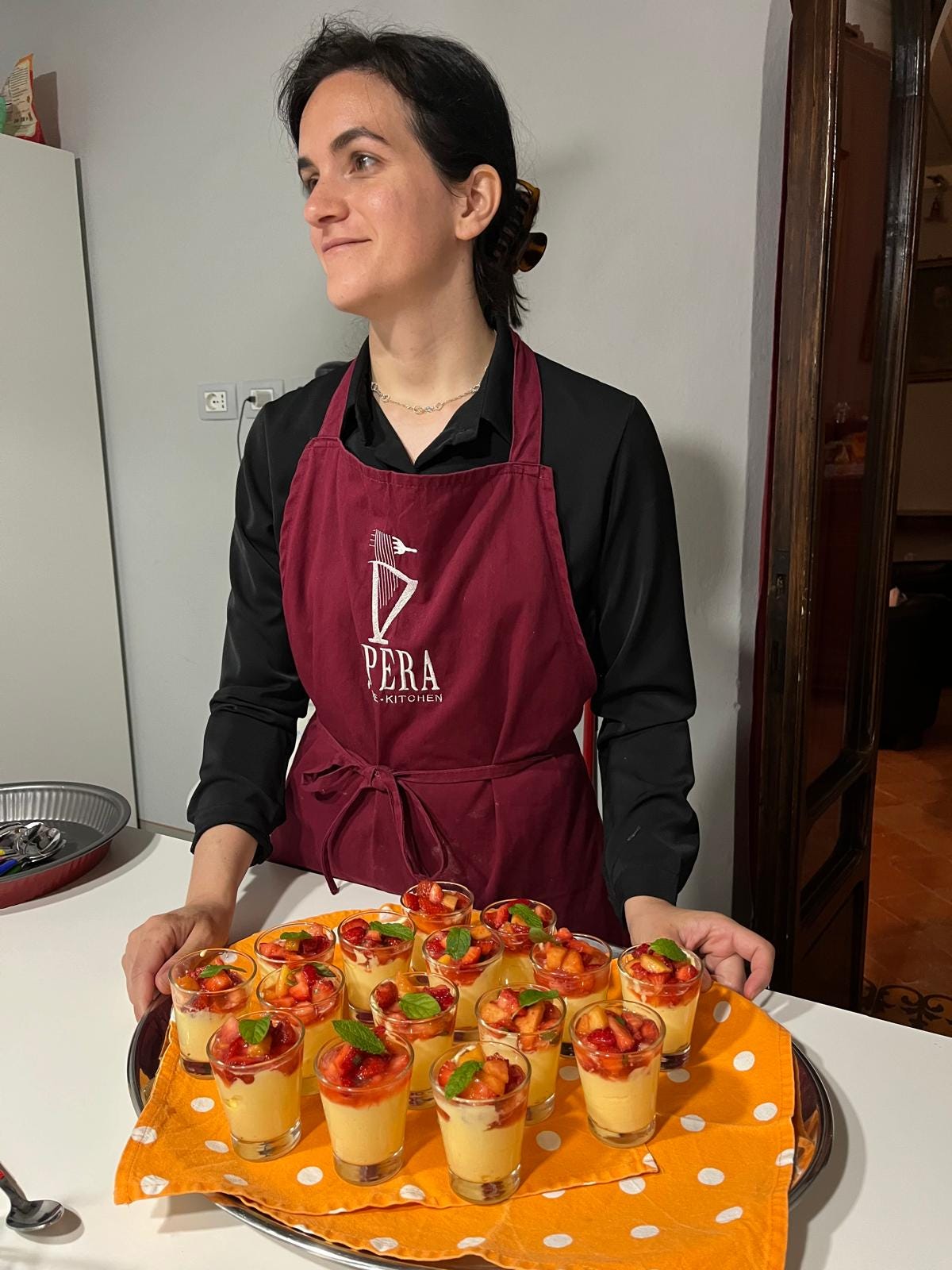
For my Cooking the Stacks project, I recently made Cristina’s Strawberry Tiramisù - delicious and light, with a meringue based mascarpone cream, macerated strawberries and syrup soaked sponge fingers. To this Brit it felt like an Italian version of a strawberry trifle or Eton Mess.
So, I knew she was the perfect person to give us the lowdown on all things tiramisù. And here we talk everything from history and heritage, to top tips, and even, her own family recipe...
Q) Hi Cristina, thank you so much for sharing your wonderful knowledge and expertise with us.
Today, we are talking all things tiramisù - I would love to hear your memories and experiences of the dessert. What does it mean to your family and heritage?
Tiramisù — and I think I can speak for every Italian here — is that dessert that instantly brings you back to family. It’s a deeply traditional dessert , but over the years it’s also been reimagined in so many ways, taking on all kinds of forms and flavours.
For me, it’s a dessert my grandmother made often, especially in the summertime. We were lucky to have fresh eggs from our own hens, which gave the tiramisù cream a really pure, authentic flavour.
Even in my partner’s family, tiramisù is a symbol of celebrations — birthdays, Sunday lunches, family gatherings. It’s part of the rhythm of life.
Q) Is it true that it is considered a 'pick me up' for people who have over indulged the night before?!
Hahaha I’d definitely say yes! I’ve never experienced it personally, but with the coffee in it, it definitely gives you a boost. Let’s just say it’s a dessert that brings comfort in all of life’s moments.
Q) What's the origin story of tiramisù ? From what I've read there is a bit of a battle behind who really created it. I'd love to hear your take on the history behind it.
The true origins of tiramisù are the subject of much debate — and like many classic dishes, its creation is layered (quite literally) in history, tradition, and a little bit of legend.
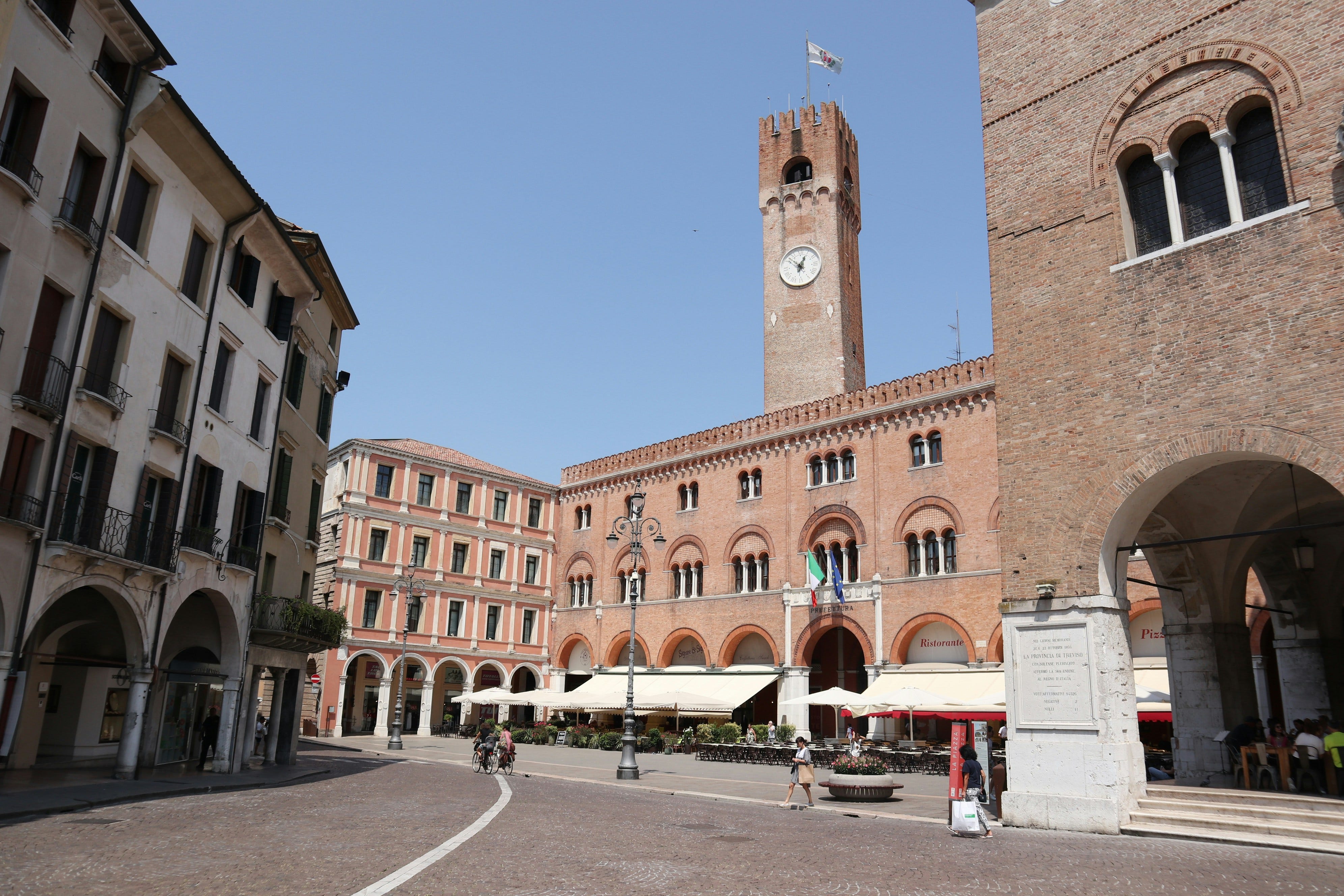
Many agree that tiramisù was born in the city of Treviso, in the Veneto region of northern Italy, sometime in the late 19th century. Its earliest ancestor was a humble yet powerful rural dessert known as ‘Sbatudin’ — a simple, energizing cream made by whisking fresh egg yolks with sugar until light and frothy. It was often given to children, new mothers, or anyone in need of a nutritional ‘boost.’ Families would adapt the recipe by adding ingredients like coffee, wine, or cocoa — essentially laying the groundwork for what Tiramisu would become.
Q) And does the word tiramisù literally translate to “pick me up” or “cheer me up” in Italian?
Yes! One fascinating theory links the dessert to a courtesan in a 19th-century brothel in Treviso, who supposedly served a version of Sbatudin to her clients at the end of the night to “pick them up” after their exertions — hence the name Tirami su, meaning “pick me up” in Italian.
Q) That is fascinating! What a great story. I had no idea the dessert had been around so long. I've read somewhere that it was created in the 1970s.
Well, if we fast forward to the 1970s, we find the modern tiramisù — the layered dessert with mascarpone, coffee-soaked savoiardi biscuits, and cocoa — appearing on the menu of a local restaurant in Treviso called Le Beccherie.
According to this version of the story, it was created by Alba Campeol, the restaurant’s owner, along with her mother-in-law and their pastry chef Roberto "Loli" Linguanotto. They began with a base of zabaione and coffee (inspired by family tradition), experimented with other ingredients like panna and ricotta, and eventually landed on mascarpone — a revelation that gave birth to the iconic dessert we know today.
This original recipe became so popular that in 2010, the Accademia Italiana della Cucina officially filed a notarized document in Treviso to protect and recognize its authentic version, listing six essential ingredients: egg yolks, sugar, mascarpone, coffee, savoiardi, and cocoa powder.
Q) When it comes to making tiramisù, what are your top tips? What makes a good, traditional tiramisù? And what are the pitfalls to avoid?
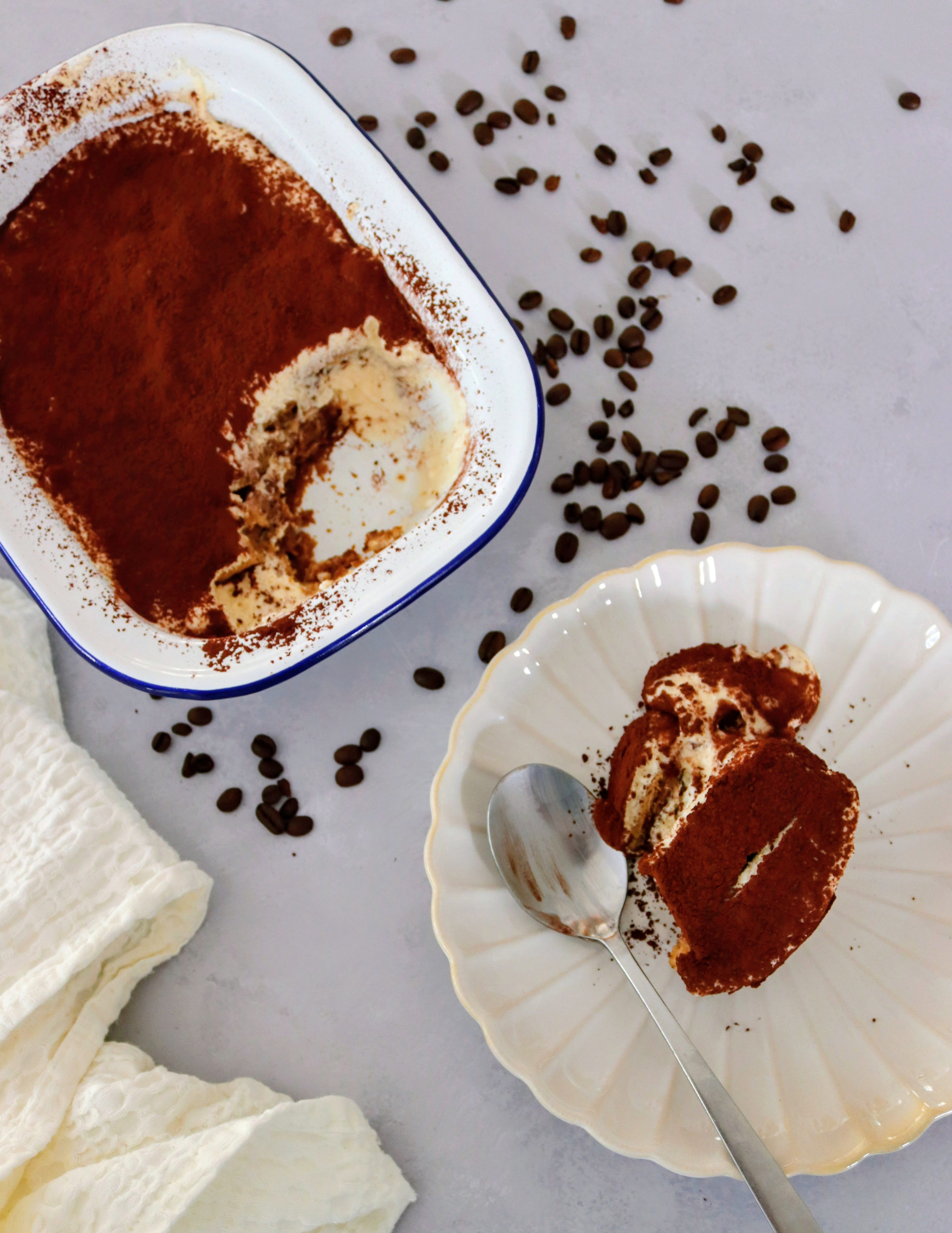
First of all, let's start with the coffee is absolutely essential — it must be of good or high quality, and most importantly, it should be brewed using a moka pot. The coffee needs to be at room temperature and unsweetened, as the sweetness will come from the other ingredients.
Q) Just interrupting you here Cristina, what about if you don’t have a Moka Pot? Would espresso make a decent substitution? And what about good quality instant coffee?
While the Moka Pot is the ideal, you can get away with espresso. You will just need to dilute it with a little water. Say 2 parts coffee to 1 part water. That way you don’t lose the coffee’s flavour.
If I’m being honest, I’ve found that instant coffee doesn’t work well with this type of recipe — coffee is a key ingredient and it needs to hold its place in the balance with the other elements.
Q) Thank you Cristina, that’s very helpful, and diplomatic! Please do continue with your tips…
Ok, so as for the biscuits, in a traditional tiramisù, savoiardi (ladyfingers) are the only appropriate choice. They are light, sweet, and airy biscuits with a spongy texture — perfect for soaking up just the right amount of coffee.
One crucial tip: pay close attention when dipping the savoiardi in the coffee. They shouldn’t be soaked too quickly, nor too long. Here’s the best way to do it: pour the coffee into a dish so that it’s about two fingers deep. Dip each savoiardo for 3 seconds on one side and 2 seconds on the other, then place them immediately into the serving dish or pan where you’ll assemble your tiramisù.
Eggs should be organic, since they’ll be used raw — the yolks will be whipped with sugar, and the whites will be beaten to stiff peaks. They must also be at room temperature.
Then comes the mascarpone — the key ingredient. No cream, no substitutes. Like the eggs, mascarpone should be used at room temperature, and it's best to soften it slightly with a spoon before incorporating it into the mixture.
As for the yolks, beat them with sugar until the mixture becomes light and frothy. This step is crucial to achieve a thick, velvety cream.
Lastly, the egg whites should be beaten until they form firm, glossy peaks. This will give your cream a light, airy texture while still keeping it dense and structured.
Q) I've read tiramisù should have sambuca in it. Is this true?
Sambuca is delicious! So, in the traditional recipe, alcohol is not included among the ingredients. However, if you want to give it a twist, you can definitely add a tablespoon of Sambuca or a fortified wine such as Marsala to the coffee. It will give it a particularly distinctive flavour.
Q) When I was in Venice, I saw shops selling up to 30 varieties of tiramisù. And I've made your delicious Strawberry Tiramisù. Are there any other flavours for tiramisu you would recommend?
Thank you so much! I absolutely love the strawberry version too. Yes, exactly — even though tiramisù is a very traditional dessert, over the years it’s taken on many different variations.
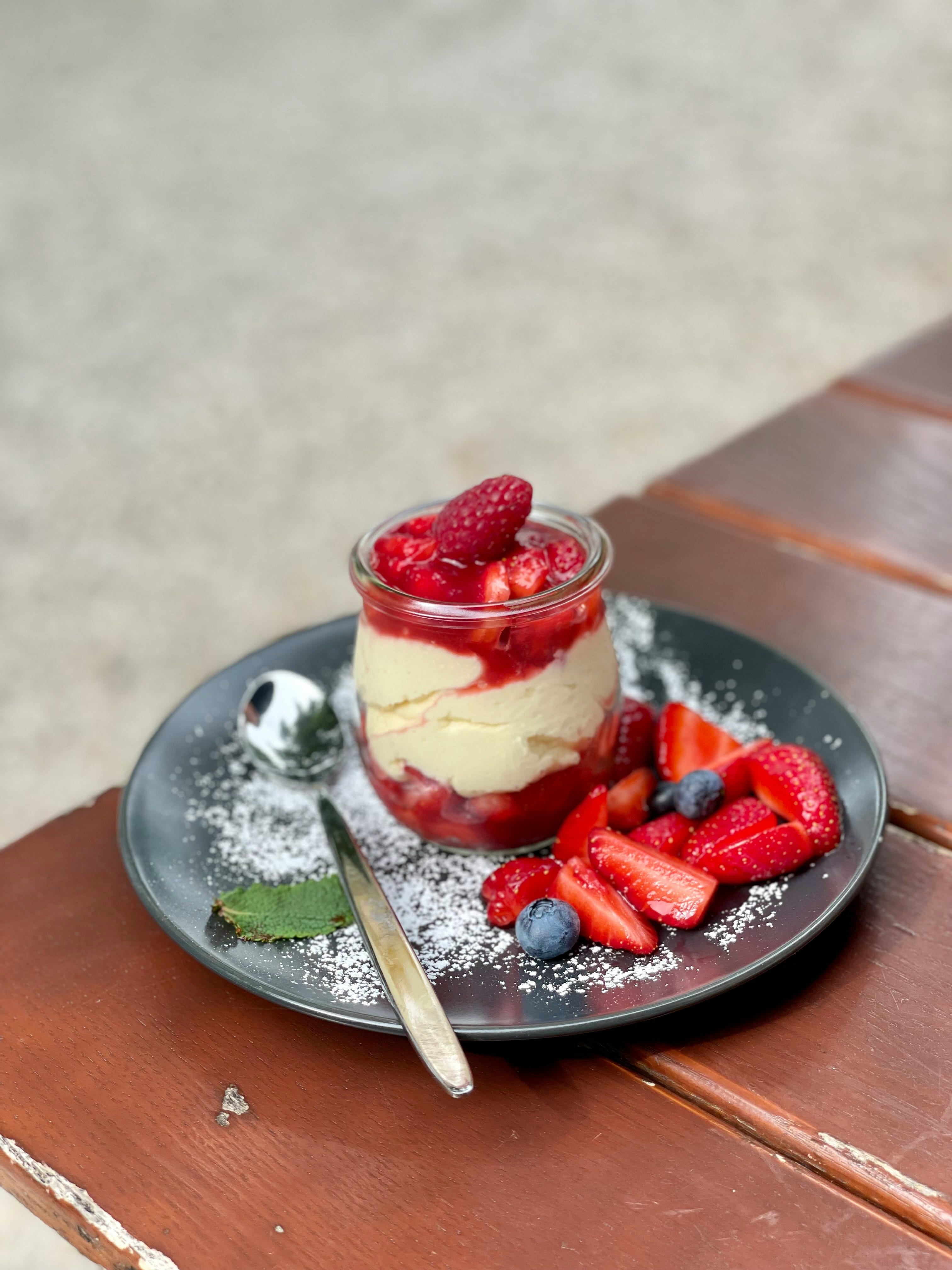
One ingredient I really love for tiramisù is lemon — it's perfect, especially in summer. Since we were talking about liqueurs earlier, you can even add a splash of limoncello to give the dessert a little extra zing.
Another summery option I adore is peach. In both versions, the coffee is replaced with either lemon juice mixed with water (to make a syrup for soaking the savoiardi) or, in the case of peaches, with a light peach syrup. I make it by letting sliced peaches macerate with lemon and sugar for a few hours, similar to how I prepare the strawberries in my recipe.
And to really bring out the freshness, I like to add lemon zest directly into the mascarpone cream. It's such a refreshing take on a classic!
Q) Those sound delicious Cristina, and so fresh. I had to give your lemon version a try. My son and I spent a lovely Saturday afternoon making a Mini Lemon Tiramisù (See note below).
Apart from your family tiramisu, what's the best tiramisù you have ever eaten? Where would you recommend going to eat it?
There are two places I’d love to recommend.
The first is a restaurant in the small village of Boccheggiano, in the province of Grosseto, called La Ciottolona. It’s been selected among the best Osterias for 2023, 2024, and 2025, and Duccio Frullani, the chef, is winner of the Vittorio Fusari Young Chef of the Year Award. They make wonderful desserts, but their Tiramisù is truly one of a kind — crafted with both great care and a touch of innovation.
The second place is one I’m especially fond of: La Veranda, a pizzeria-restaurant in Siena. Not only do they serve amazing pizza, but their Tiramisù is the perfect way to end your meal. It’s traditional, simple, and exactly what you want after a great pizza — a real classic done right.
If you are already subscribed to Bake Experiments and are enjoying what you read, please consider upgrading to a PAID subscription - everything I personally earn from Substack in 2025 I will donate to The World Central Kitchen, who are on the ground in Gaza, and FoodCycle.
Prefer to leave a one off donation? You can tip here:
Cristina’s Family Recipe for Tiramisù
I am humbled and delighted that Cristina has shared her family recipe with us today. I have made this recipe and can confirm it is utterly delicious. In fact, it improves with time. We enjoyed second portions a day later, the flavour was even more intense and perfectly melded. I see myself making this simple but impressive recipe for many years to come.
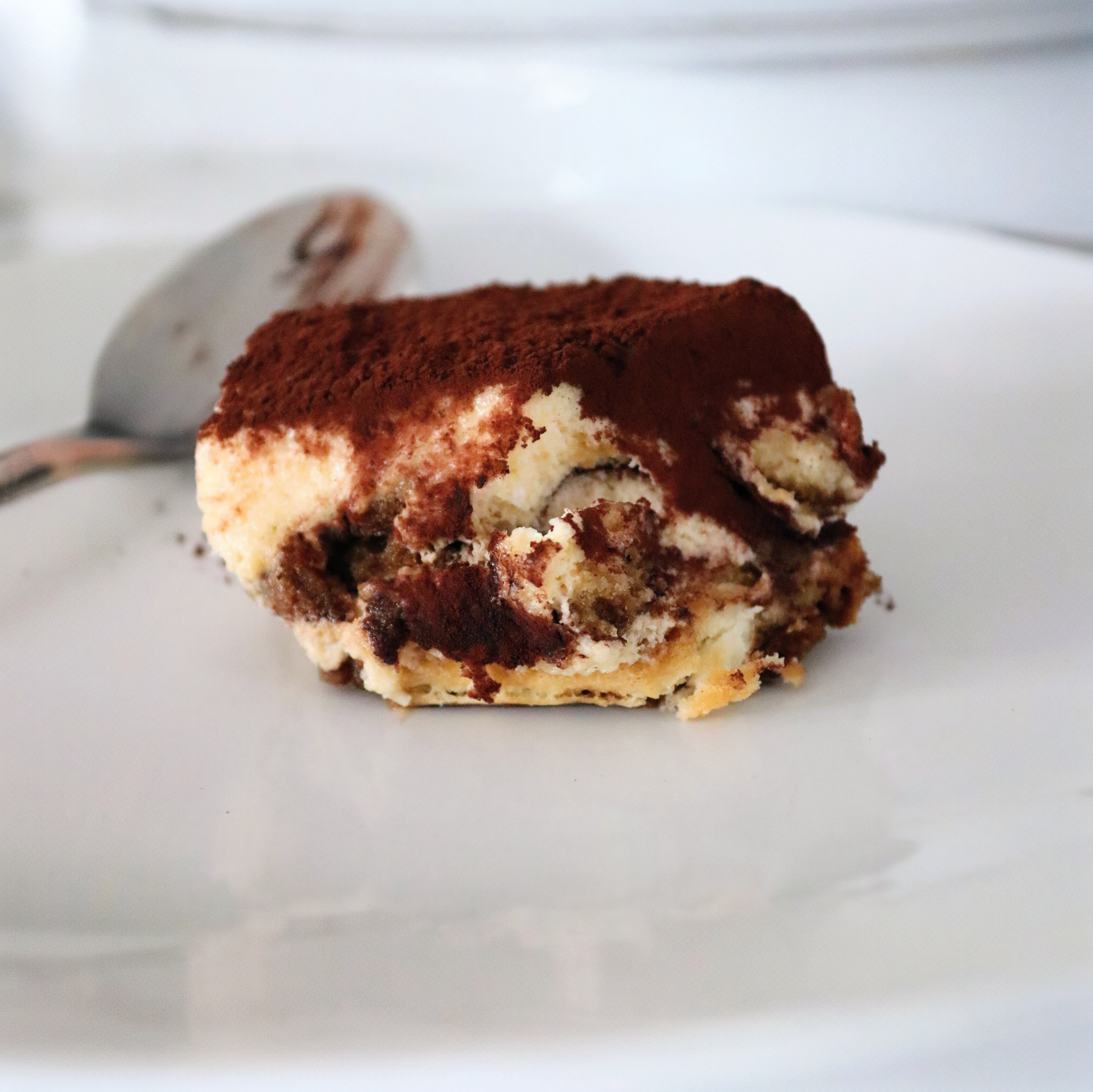
A note on Lemon Tiramisu:
Very simply, I substituted the coffee for lemon juice, replaced the cocoa with lemon zest and added a little lemon extract to the mascarpone cream.
It doesn’t have the punch of the coffee - classics are classic for a reason - but its zingy lemony lightness is just perfect on a hot summer’s day. And no need to turn the oven on!
Level: Easy
Time Taken: Around 30 minutes, plus two hours chilling (minimum)
Serves: 5 portions
Specialist equipment needed: I used a 20x30cm serving dish, stand mixer also useful.
Ingredients
3 eggs
300g (10oz) mascarpone, room temperature
100g caster sugar
200g (7oz) Savoiardi (ladyfingers)
1 cup of strong coffee (preferably made with a moka pot)
Unsweetened cocoa powder (for dusting)
Method
Brew a cup of good-quality coffee using a Moka pot if possible. If you don’t have a Moka Pot, a shot of espresso diluted with a little water will suffice.
Do not add sugar. Pour the coffee into a wide bowl and let it cool completely. This will be used later to soak the ladyfingers.
Carefully separate the egg whites from the yolks. Place the yolks in a metal mixing bowl with high sides and a narrow bottom (ideal for whisking).
Add the sugar to the yolks. Whisk for 3–4 minutes (use an electric mixer if possible) until the mixture becomes light yellow, thick, and fluffy. This step is crucial. Properly whipping the yolks will give you a rich and creamy base.
Whip the egg whites In a clean, cold bowl (tip: chill it in the fridge for an hour beforehand), add the egg whites and a pinch of salt. Beat until the whites form stiff peaks. The mixture should be firm and fluffy, with no liquid at the bottom.
Mascarpone is very thick, so soften it slightly by mixing it gently with a spatula for about a minute.
Gradually incorporate the softened mascarpone into the yolk mixture, one spoonful at a time. Use a slow setting on an electric whisk or a hand whisk—gently fold it in to keep the mixture airy.
Once all the mascarpone is combined, fold in the egg whites gently a little at a time, using a spatula with a motion from bottom to top. This helps maintain the cream’s light, fluffy texture.
Assemble the tiramisù!
Dip each savoiardo into the cooled coffee for no more than 3 seconds (they should be soaked but not soggy).
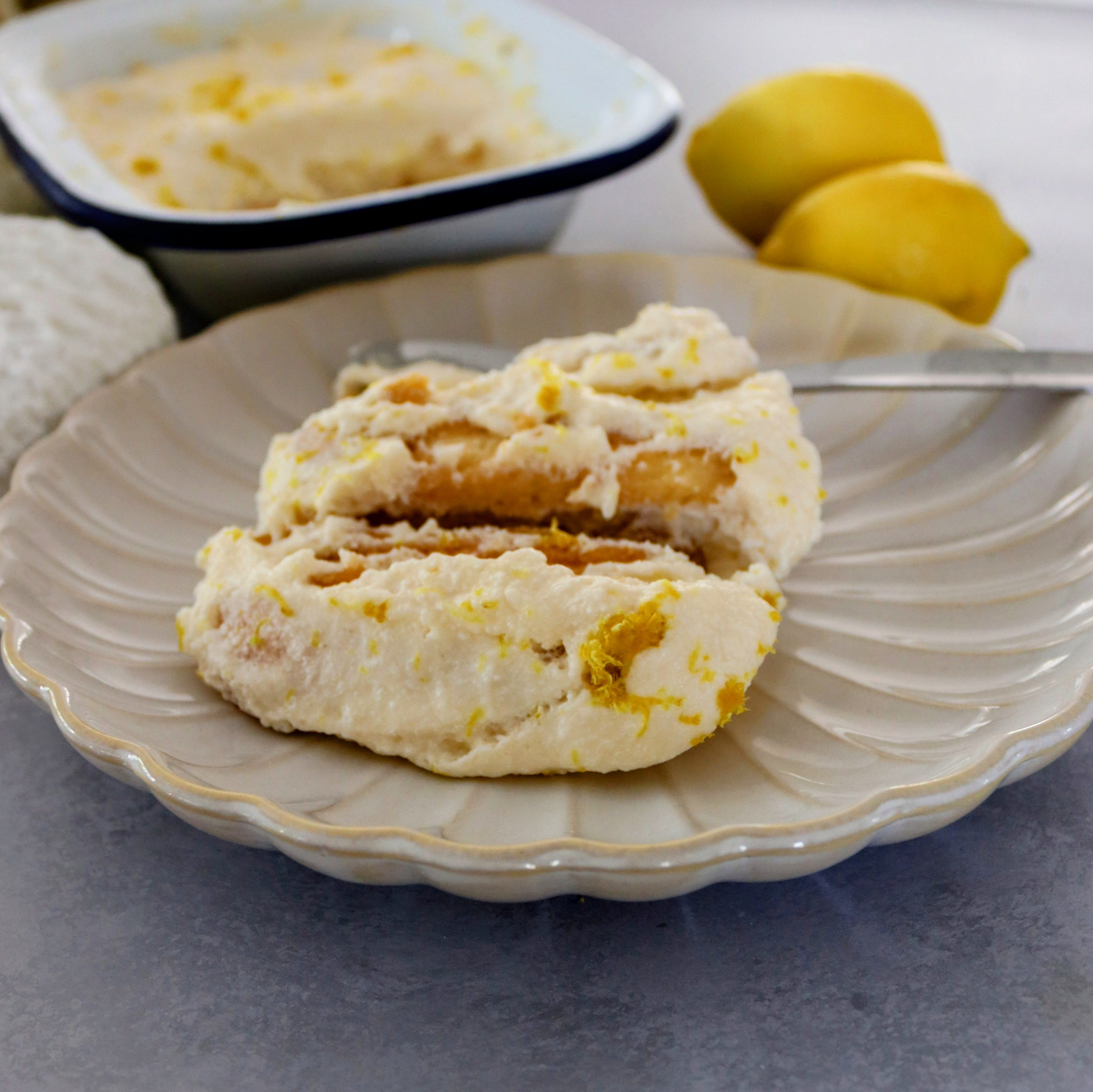
In a large serving dish or baking tray: Make a first layer of soaked savoiardi, placing them vertically or in one direction. Cover with a thick layer of cream. Dust generously with unsweetened cocoa powder.
Repeat the process to create at least two full layers, depending on your dish’s depth. Finish with a final layer of cream and a generous dusting of cocoa powder.
Refrigerate the tiramisù for at least 2 hours before serving.
More Good Things
As a recipe writer, there is nothing more exciting than someone trying and enjoying one of your recipes.
And the next level of that, is when someone you admire takes inspiration from you, and makes it completely their own.
Last week, after my Breakfast Cake post, the lovely Lisa McLean of the excellent Spice Chronicles made her own version with Black Sesame and anko.
I adore her creativity here; she added ginger in the crumble and swirled black sesame and anko through the batter. It’s no surprise Lisa ate three slices in quick succession! Do check it out here.
Until next time…
Have you heard about the Bake Experiments Recipe Index? An easily searchable one stop shop for all Bake Experiments recipes and experiments.
This time last year… The best way to fix a split chocolate ganache
 | A guest post by
|
Great post! Thanks for sharing. I loved the details about the bowls.. the shape and the chilling. Interesting that you don't sweeten the coffee. I normally do, but just a couple of days ago I gave my MIL my recipe and forgot to tell her to sweeten it... she said it tasted good! And I usually prefer using pavesini, as it means more mascarpone cream (gluttonous me).
I also wanted to share a small observation (I wonder if Christine experienced it too): unfortunately a lot of mascarpone I've found in store abroad (I make tiramisù very often, and I tried many different mascarpone brands) for some reason are nowhere as thick as Italian mascarpone (even the same exact brands sometimes...). That means a runny-ish cream, which is a real bummer. I'd be curious to hear what Christine would recommend if this happens. I've tried different things: using more mascarpone, or less coffee, or fewer eggs...
Oh the image of that madame laying out the lady slippers soaked in espresso for her body. BAWDY clients… Tiramisu will never be the same for me again.