
Shortbread, fit for a Queen
An experiment with Caraway

Hello there and welcome back to Bake Experiments - on a mission to make patisserie easier for the home baker. Ta for being here!
As ever, if you like what you read, and I hope you do, I’d be thrilled if you tap that heart, share or subscribe.
Recently, I have enjoyed a jaunt to Edinburgh, with its gorgeously gothic castle sat atop a craggy old volcano.

I am also reliably informed that it is shortbread season. As butter, sugar and flour were expensive and difficult to get hold of, shortbreads were usually only served at Scottish special occasions, like Weddings, Christmas and New Year’s Hogmanay.1
So, now seems the best time to crack on with an experiment I have been musing on for some time. Shortbread, as Mary, Queen of Scots may have enjoyed it back in 1562.
It is understandable the Scots have such an obsession with this beautiful, and tragic Queen, executed by her own cousin, Queen Elizabeth I.
Was Mary involved in the murder of her husband Lord Darnley? Did the Earl of Bothwell really kidnap her and force her into marriage? Was she really involved in the Babington plot to assassinate Elizabeth, or did Sir Walsingham trap her? So much drama, so many swirling questions. (This excellent ‘Tudor True Crime’ podcast from Prof. Suzannah Libscomb answers a few.)
Queen Mary’s infamy means she is credited with several popular Scottish exports, including her French inspired cooks refining shortbread to the sweet treat we know today. Yet, Dundee Cake and Marmalade are also said to have been invented for her, rumours which food historian Annie Gray tells us are “rubbish.”2
It does seem widely agreed though, that Queen Mary enjoyed her shortbread spiced with caraway seeds, and in the shape of petticoat tails - named after the bell hoop petticoats ladies would have worn at this time.3
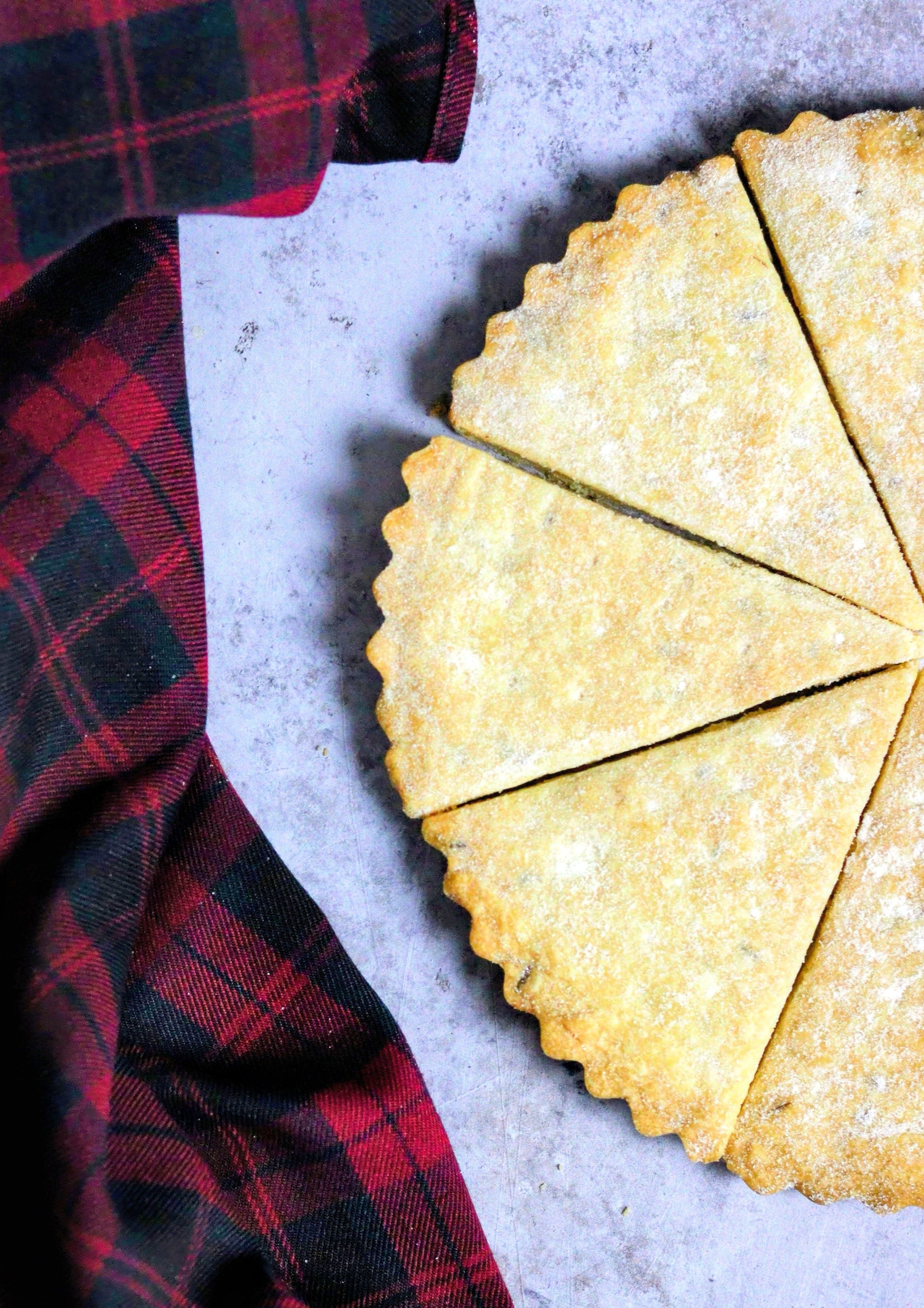
Having never baked with caraway, I thought I would give this a try. Adapting my usual recipe, and following the instructions on Scottish baking blog Baking with Granny to make traditional petticoat tails - where the shortbread is baked in a mould or tart tin, and scored into triangles, like pizza. It’s usually decorated with a little frilled edge, and some fork mark patterns too.
Results
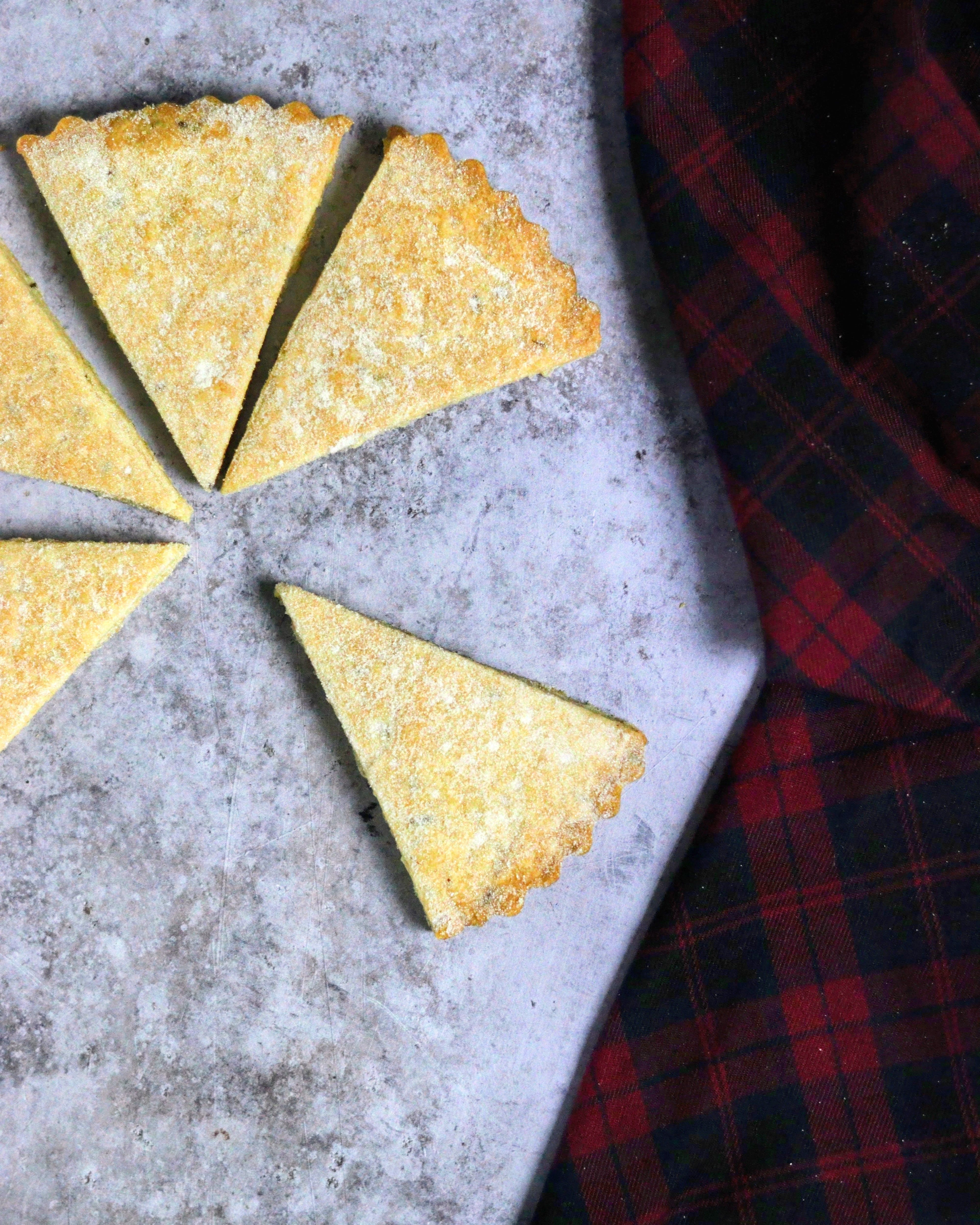
Caraway has an aniseedy aftertaste, but is quite earthy, almost savoury. Which balances well against the rich buttery shortbread, making this a moreish treat. Personally, I think this needs a little citrus, to give everything a lift. If you can’t get hold of caraway, fennel seeds would make a good alternative.
Mainly, caraway reminded me of confits (seeds rolled in many layers of sugar). Which makes sense, as they were enjoyed this way during Tudor times,4 and I’ve sampled them on a historical Tudor tour or two. In folklore, caraway is said to ward off thieves, so that’s… useful.5
These are good, crumbly petticoat tails. But for me, they are a little on the large side. Great if you have just been on a ten mile mountain hike and need that energy boost, possibly too much for the school run.
THANK YOU to everyone for your donations, and to paid subscribers, so far! Everything I personally earn from Substack in 2025 I will donate to The World Central Kitchen and FoodCycle.
Caraway & Orange Shortbread
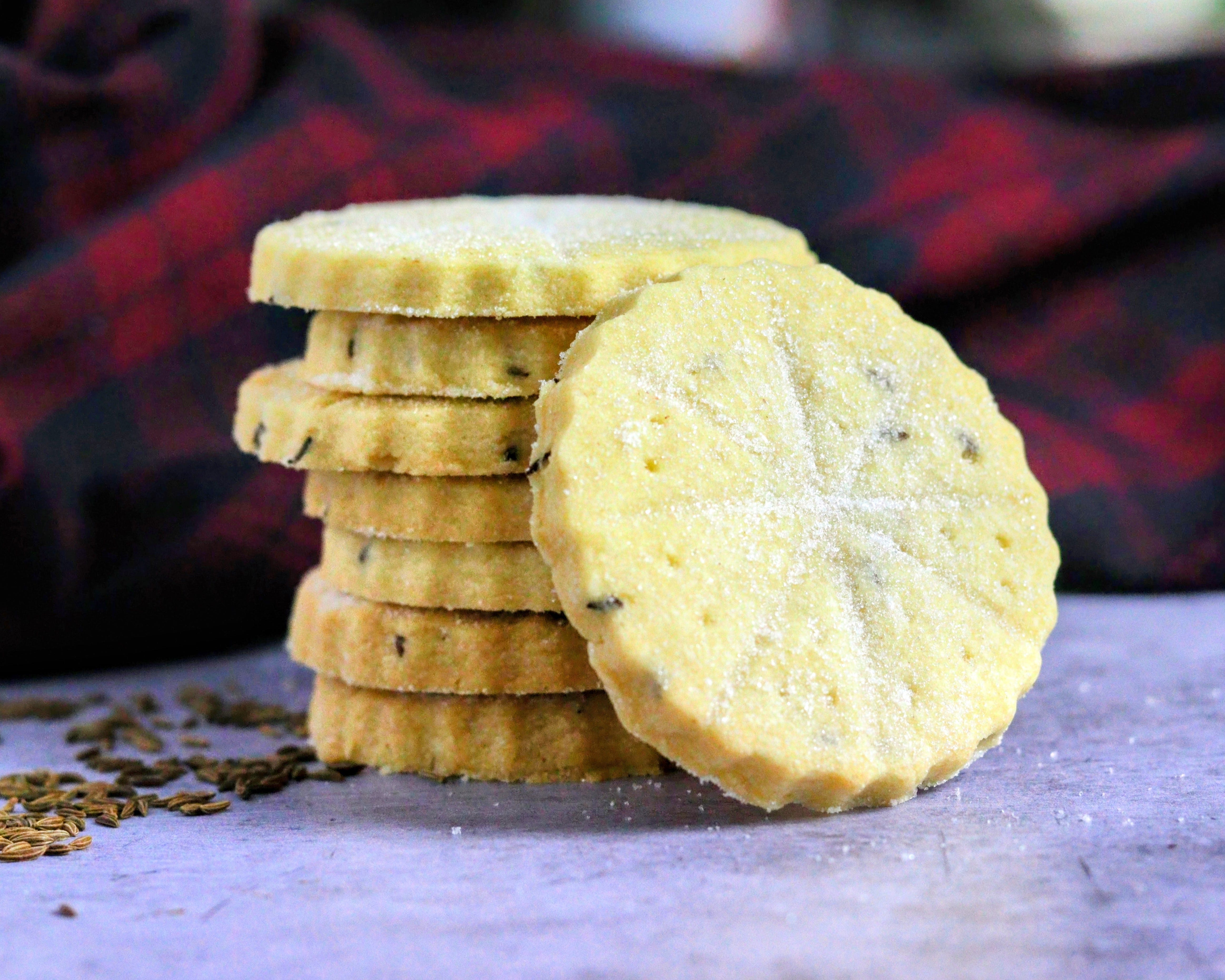
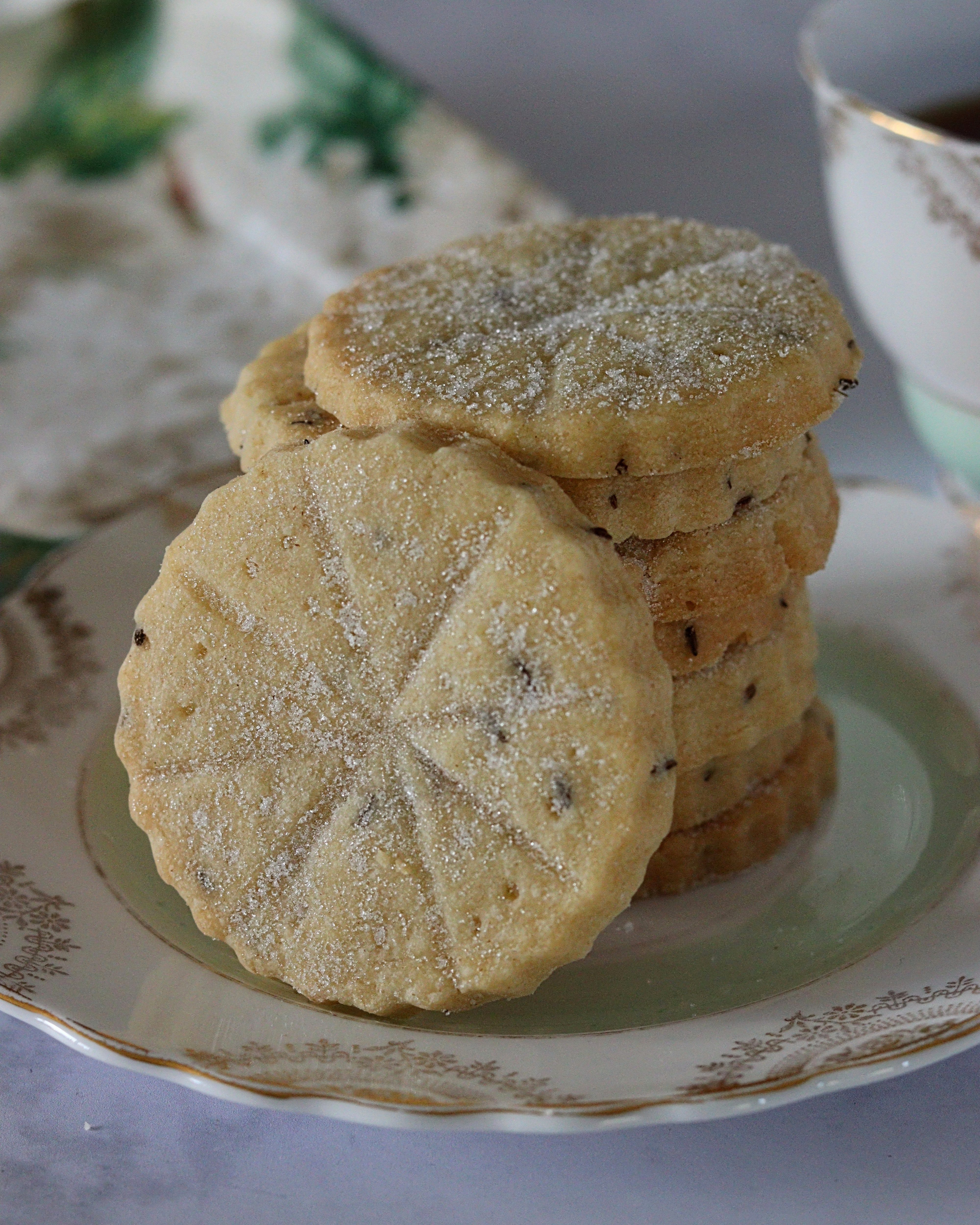
In this recipe today, I have decorated little 6cm rounds to reference the petticoat tails (you could even snap them into diddy tails if you like). But these are daintier, more delicate little treats.
The icing (powdered) sugar I’ve used today isn't traditional, traditional recipes use caster sugar. Icing sugar wasn’t invented until the 19th century, so Queen Mary may well have found my shortbread too sweet on her palate. But for modern tastes, with a little touch of festive orange, it balances the earthy caraway, and makes quite the splendid biscuit.
Level: Easy
Serves: Makes Approx. 12-14 biscuits
Time: About 1.5hrs, including resting time
Equipment needed: Stand mixer or electric whisk, 6cm fluted cookie cutter, 2x baking trays, lined with baking paper or silicone mats, toothpicks
Ingredients:
140g salted butter
50g icing sugar (confectioner’s sugar), sifted
170g plain flour, sifted twice. Plus extra for dusting
Heaped 1/2 tsp caraway seeds, lightly ground with a pestle and mortar
Drop of orange extract
1 tsp caster sugar, for sprinkling
Method:
For your shortbread, cream together your butter and sugar until light and fluffy. You can do this in a stand mixer, or with an electric whisk. Add your drop of orange extract and mix again.
Place your caraway seeds into your sifted flour, and give it a good stir to ensure the seeds are well incorporated.
Work in your dry ingredients. I use a spatula or wooden spoon. I usually pull the dough together by hand at the end, making sure not to overwork it. Using the ‘fraiser’ technique, where you smear the dough on your worktop can be helpful - you really will only need to do it a couple of times.
At this stage, you can rest your dough for around 20 minutes. If it is a warm day, you can rest your dough in the fridge to firm up the butter. This will help make the rolling process easier.
On a floured surface, gently roll out to around 1/2 cm thick.
Using your 6cm cookie cutter, cut into your little rounds and place on a lined tray, space them a little apart as some spreading will happen.
If you are diligent with rerolling your scraps, you should get around 12-14 biscuits. Do be careful not to overwork your dough though, pull it back together gently.
Now, for decoration. Take a toothpick, and use the length to make indents into your shortbread rounds, so they look like little pizza slices. Then, you can use the toothpick to make a little fork pattern. Check out the video below.
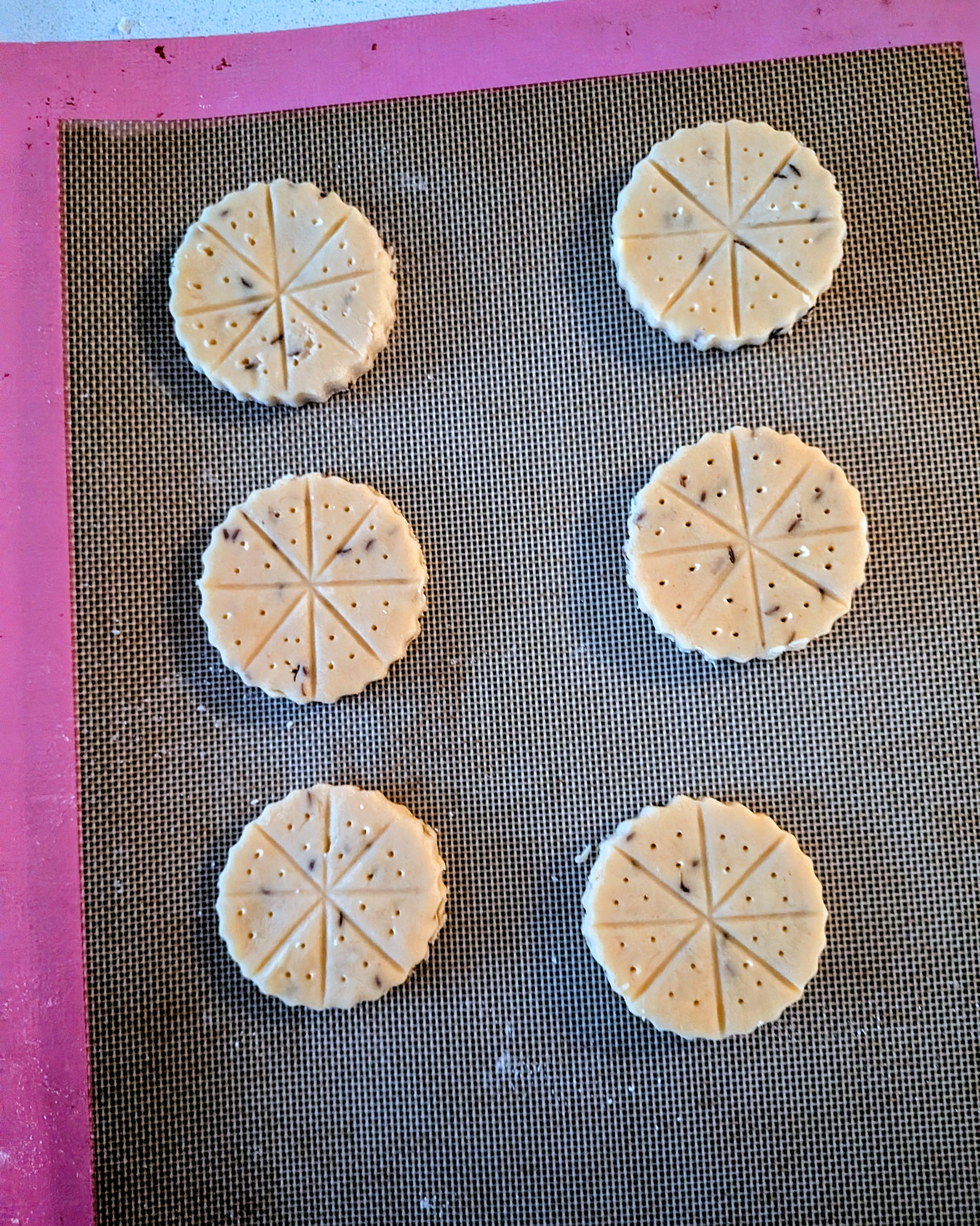
Next up, rest in the fridge for at least half an hour. This step is really important, as it helps prevent the shortbread from spreading, and helps them keep their shape.
Preheat your oven to 170°C/150°C fan/325°F/Gas Mark 3.5.
Bake for 15-20 minutes.
As soon as you get them out of the oven, sprinkle with a little caster sugar. This will help the caster sugar ‘stick’ to your shortbread. You may need to gently redo your petticoat indents with your toothpick, being careful not to burn any fingers.
Leave them to cool on a wire rack, before enjoying with a cup of tea.
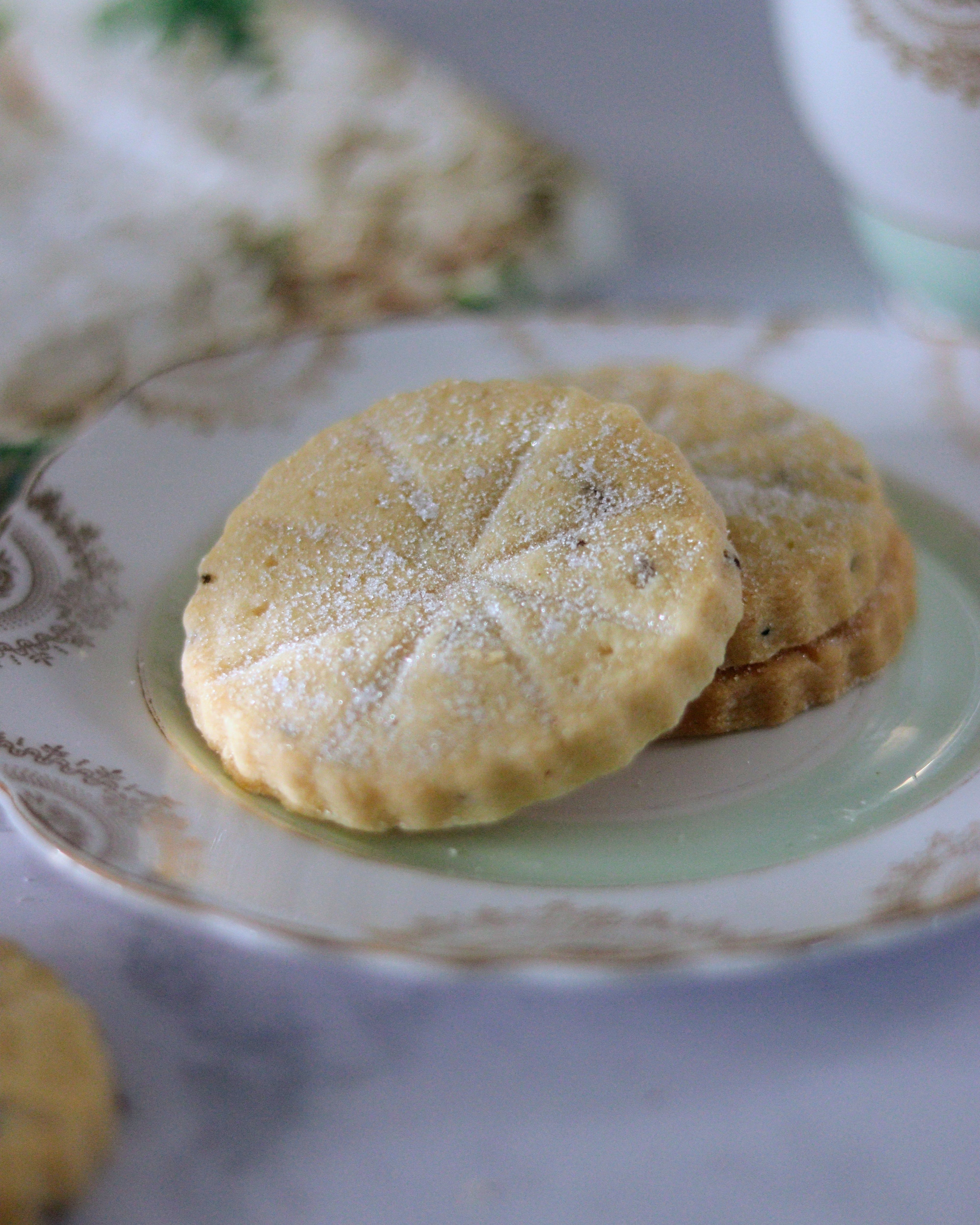
Until next time…
Have you heard about the Bake Experiments Recipe Index? An easily searchable one stop shop for all Bake Experiments recipes and experiments.
The History of Shortbread Part 1, by Michael Mortimer, for Walker’s
The Kitchen Cabinet, by Annie Gray, p. 290
The National Trust Book of Cakes, by Linda Collister, p. 82
A Treasury of British Folklore, by Dee Dee Chainey, p. 42
Shortbread is the one thing my husband always brings back when he goes to the UK for work. He knows I love it with tea. I bet this is the best ever! Love the idea of adding fennel seeds.
First, thank you so much donating your proceeds to WCK. Very worthy cause! Second, caraway is another difficult spice to work with. It can be very aggressive and has a weird numbing effect if one consumes to much of it. Paring it with a buttery shortbread sounds like a perfect match. Well done!